
Our
Products

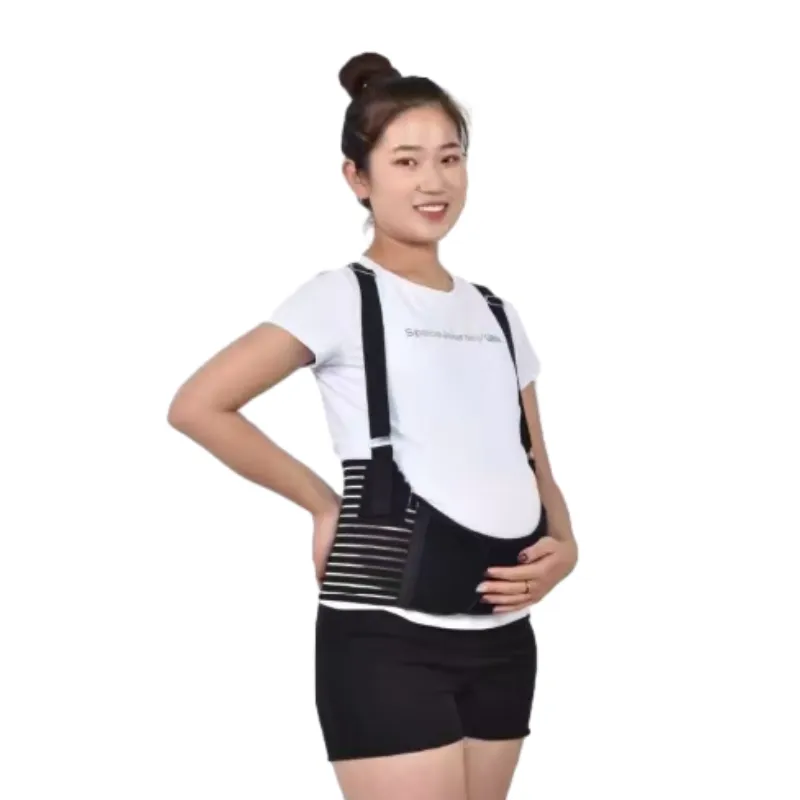

belly band for early pregnancy
Pregnancy Belly Support: Practical Tech, Real Comfort If you’ve ever hunted for genuine back and belly support during pregnancy , you know the market is noisy. I’ve been covering maternity soft-bracing for years; some belts help you forget they’re there, others… you’ll rip off by lunch. This one, the Pregnancy Belly Support from JH Orthopedic (Anping County, Hebei, China), leans into breathable textiles and practical adjustability—and, to be honest, that’s what most parents-to-be actually need. What’s trending in maternity supports Two clear trends: lighter, airier fabrics and smarter adjusters that don’t dig in when you sit. Brands are also shifting to OEKO-TEX-certified yarns and dye houses with better wastewater control. Interestingly, many customers say they want “gym-level” durability without the gym look—sleek, under-clothes friendly, and washable. Product snapshot and specs JH Orthopedic’s band uses a breathable, stretchy knit with a gentle compression profile—supportive without squeezing. It adapts as bump and posture change across trimesters; surprisingly, the side straps feel intuitive even for first-time users. Feature Specification (≈ real-world use may vary) Fabric Polyamide/Spandex knit with soft cotton liner Compression ≈ 8–15 mmHg targeted (low-to-moderate) Air Permeability ≈ 300–400 mm/s (ASTM D737) MVTR ≈ 5,000 g/m²/24h (ASTM E96) Adjustment Dual side straps + front belly cradle, hook-and-loop Sizes S–XL (hip 80–120 cm adjustable) Service Life ≈ 6–12 months, ≥ 50 wash cycles (cold, gentle) Certifications (on request) ISO 13485 QMS; OEKO-TEX Standard 100 materials Process flow and quality checks Materials: yarns sourced from audited mills; skin-contact liner pre-washed. Cutting & assembly: precision cutting; flatlock seams; bar-tacks at stress points; ultrasonic finishing on edges where applicable. Testing: tensile (ASTM D5034), seam strength (ISO 13935-2), bursting (ISO 13938), colorfastness (ISO 105-C06), hook-and-loop shear (ASTM D5169). Chemical safety: REACH SVHC screening, OEKO-TEX Standard 100 eligible components. Traceability: batch-coded labels; retained test swatches for 24 months. Where it actually helps Daily commuting, retail shifts, prenatal yoga (light support), long desk work, third-trimester grocery runs—plus postnatal gentle support as muscles re-engage. Many users mention lower back relief and reduced pelvic tilt. For medical conditions, always check with your clinician first. Quick vendor comparison Vendor Origin Certs Lead Time MOQ / Price JH Orthopedic (Pregnancy Belly Support) Anping, Hebei, China ISO 13485, OEKO-TEX materials ≈ 20–30 days 300 pcs / mid-range Vendor B VN ISO 9001 ≈ 35–45 days 500 pcs / budget Vendor C TR ISO 13485 ≈ 25–40 days 200 pcs / premium Customization and industries served Options include wider lumbar panels, softer liners for sensitive skin, recycled yarns, private labeling, and retail-ready packaging. Buyers: maternity retail chains, hospital gift shops, DME distributors, insurers’ wellness programs, and e-commerce brands. Field notes (mini case) A logistics supervisor in her 28th week reported using the belt for 6–8 hour shifts; she logged ≈ 30% fewer “break due to back ache” entries over two weeks. Another user—a prenatal yoga instructor—preferred lighter tension during classes and tighter settings for car rides. Not clinical trials, sure, but the pattern echoes what we hear a lot. Bottom line: as a back and belly support during pregnancy , this model strikes that “forget-it’s-there” balance. For heavier pelvic girdle pain, ask your provider about pairing with physiotherapy or a dedicated SI belt. Compliance and notes Produced under ISO 13485–aligned quality system; material safety per OEKO-TEX Standard 100 eligible components. Not a substitute for medical care; consult your clinician if you have SPD, sciatica, or high-risk pregnancies. Follow size guide and don snug-but-comfortable; discontinue use if you feel numbness or tingling. References: ACOG. Back Pain During Pregnancy. American College of Obstetricians and Gynecologists. Lillis et al. Maternity support garments for low back and pelvic pain: Cochrane Review. ASTM D5034, D737, E96; ISO 13935-2, 13938; ISO 105-C06—applicable textile test methods. OEKO-TEX Standard 100—Product Class II (direct skin contact).
Why Choose Us



Read
Our
Blog

No.240 Xingying West Street,Anping County,Hebei Province,China


Have a question? Keep in touch.


Copyright © 2025 Hebei
Jianhang
Technology
Co.,Ltd.
All Rights Reserved. Privacy Policy


